Beautiful Plants For Your Interior
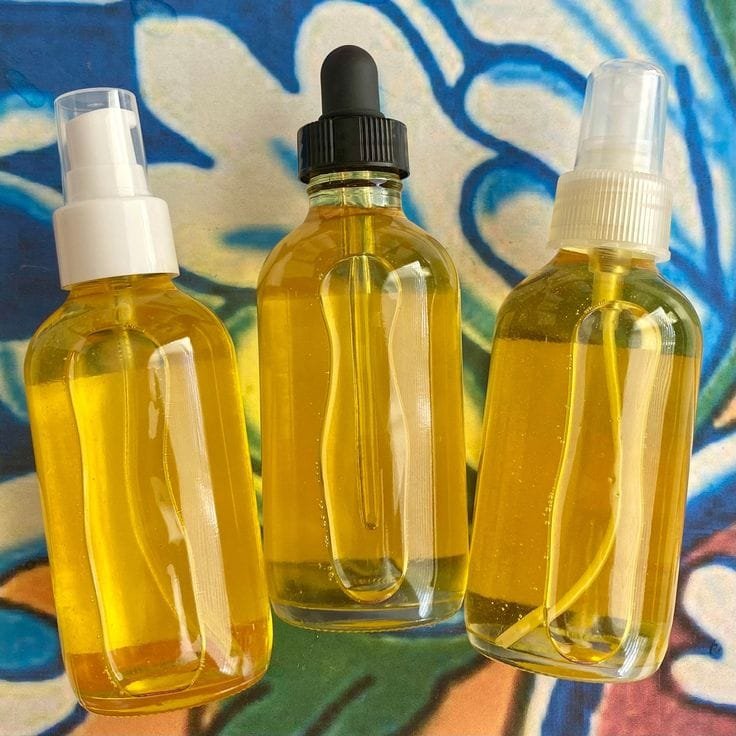
K2 spray — also known as spice or synthetic cannabinoids — is often marketed online as a “legal high” or a cannabis substitute. But calling something legal or easy to buy doesn’t answer the harder question underneath it: is recreational K2 spray use ethically responsible? This article breaks that question down from every angle that matters — personal autonomy, public health, community impact, and the honest medical risks — so you can think it through with real information instead of marketing claims.
This is an educational resource, not an endorsement. Nothing here is instructional on how to obtain, dose, or use K2. It’s meant to help readers, parents, educators, and harm-reduction communities understand the ethical weight behind a substance that looks casual but behaves nothing like the cannabis it’s often compared to. By the end, you should have a clear, evidence-based answer to whether recreational K2 spray use is ethically responsible — and why so many clinicians say it isn’t.
Quick answer: Is Recreational K2 Spray Use Ethically Responsible? Based on current medical and public-health evidence, most experts say no — the unpredictability of the product undermines the informed consent that ethical personal-choice arguments depend on.
Short answer: most public health researchers, addiction specialists, and emergency physicians say no — not because personal drug choices are inherently wrong, but because K2 removes the informed part of “informed choice.” Ethical responsibility usually rests on three pillars: you understand the risk, you can reasonably control the risk, and your choice doesn’t create outsized risk for others. K2 spray struggles on all three counts, which is why the question of whether recreational K2 spray use is ethically responsible keeps surfacing in medical journals, city health department bulletins, and addiction-recovery forums alike.
K2 is a liquid or plant-based product coated with lab-synthesized chemicals designed to mimic THC, the active compound in cannabis. Unlike cannabis, these chemicals are not naturally occurring — they’re manufactured, frequently overseas, with little to no quality control. According to the DEA’s official Spice/K2 fact sheet, manufacturers regularly alter the chemical structure to dodge drug laws, meaning the “K2” sold today may be chemically unrelated to the “K2” sold six months ago under the same name. You can also read a broader scientific breakdown on Wikipedia’s synthetic cannabinoids overview, which documents how these compounds bind far more aggressively to the brain’s cannabinoid receptors than natural THC does.
That single fact — that the product is a moving target — is central to the ethics conversation, because it undermines the idea of informed consent.
Autonomy-based arguments are the strongest case in favor of personal drug choice generally. Adults are allowed to make risky decisions about their own bodies — skydiving, drinking alcohol, smoking cigarettes. If someone fully understands the risks of K2 and only affects themselves, doesn’t that settle the ethics question?
Not quite, and here’s why:
This is why even autonomy-focused ethicists tend to land on a qualified answer to is recreational K2 spray use ethically responsible — it’s less about the right to choose and more about whether a genuine, informed choice is even possible with a product this unpredictable.

Ethics and health outcomes aren’t separate conversations — the severity and unpredictability of harm is often the deciding factor in whether a behavior is ethically defensible. Documented risks linked to synthetic cannabinoid products include:
Public health agencies have repeatedly flagged batches of K2 contaminated with rodenticides and other unrelated toxic chemicals, since the products aren’t manufactured under any safety standard. This unpredictability is precisely why so many toxicologists answer “no” when asked Is Recreational K2 Spray Use Ethically Responsible — the risk profile isn’t just high, it’s unknowable in advance. Any honest attempt to answer Is Recreational K2 Spray Use Ethically Responsible has to start from this baseline of medical uncertainty.
K2’s legal gray-zone status is part of what makes it feel lower-risk than it is. Manufacturers exploit gaps in drug scheduling by tweaking chemical structures just enough to stay ahead of specific bans, which is why K2 has been sold openly in gas stations and smoke shops in some regions even while individual formulations are illegal elsewhere.
Ethically, “not explicitly illegal” and “safe” are two very different things. Regulation typically exists because a substance has been tested, dosed, and studied — none of which applies to most K2 formulations. That gap between legal ambiguity and actual safety data is a major reason the ethics debate doesn’t resolve simply by checking whether a product is currently legal to buy.
A common comparison is “cannabis is legal in many places, so why treat K2 differently?” The distinction matters:
| Factor | Cannabis | K2 Spice Spray |
|---|---|---|
| Chemical consistency | Regulated, tested in legal markets | Unregulated, varies by batch |
| Overdose potential | Very low | Documented mass-poisoning events |
| Withdrawal profile | Mild | Can be severe |
| Contamination risk | Low in regulated markets | Documented cases of toxic additives |
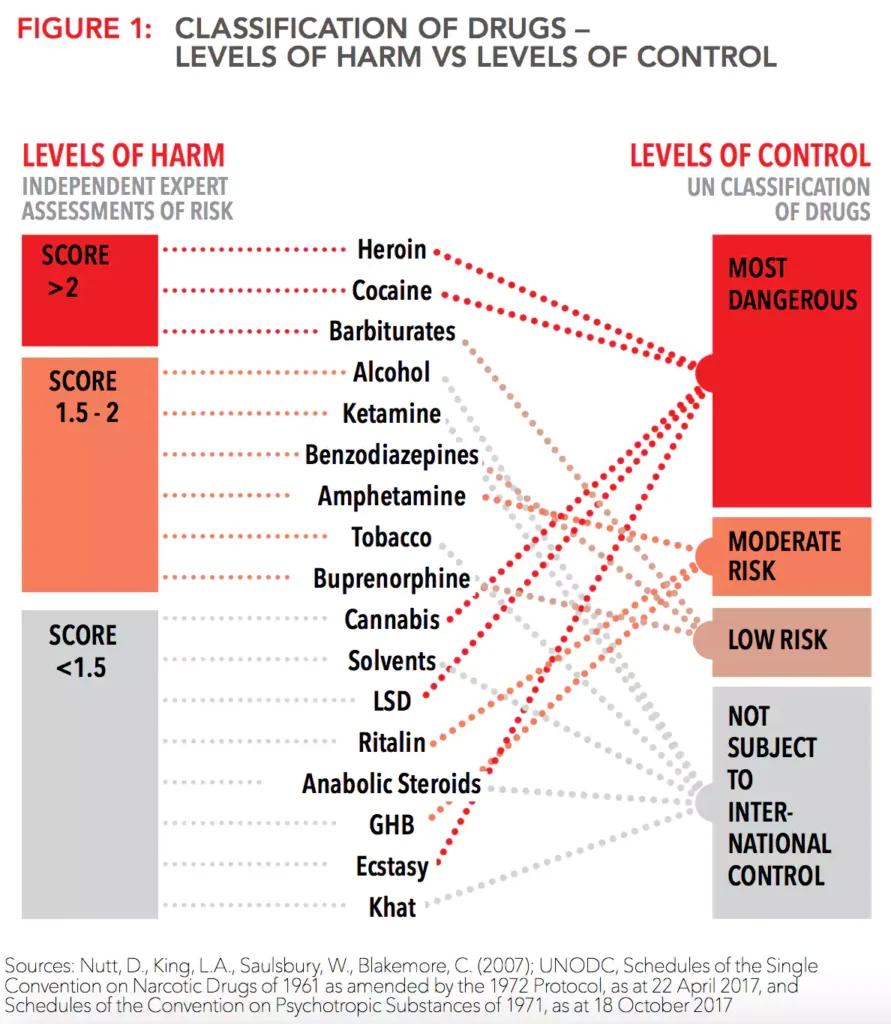
Because the actual chemistry is so different, comparing K2 to cannabis on ethical grounds is often described by addiction researchers as a false equivalence — which is another reason the question of whether recreational K2 spray use is ethically responsible tends to get a different answer than the same question asked about cannabis.
Beyond clinical data, lived experience shapes this debate too. In harm-reduction forums and recovery communities, people who’ve used K2 recreationally often describe two recurring themes:
“I thought it would feel like weed. It didn’t — the anxiety and heart racing scared me more than being high ever should.” — shared in a recovery support thread
“The scariest part wasn’t the high, it was not knowing what was actually in the batch I bought that week.” — a harm-reduction forum contributor
These firsthand accounts echo the clinical concern: the core ethical problem isn’t recreational drug use itself, it’s the absence of predictability. Community voices like these are part of why Is Recreational K2 Spray Use Ethically Responsible keeps coming up as a genuinely open question rather than a settled debate for many first-time researchers. If you’ve had an experience with K2 you’re willing to share — good, bad, or somewhere in between — consider adding it in the comments below. Real accounts help other readers make better-informed decisions, and they help us keep this guide grounded in lived reality rather than statistics alone.
For a deeper look at how synthetic drug risks are being addressed at a community level, see our related guide on harm reduction strategies for synthetic drugs
If you’re weighing this question for yourself or someone you care about, a few practical touchpoints can help:
Ultimately, Is Recreational K2 Spray Use Ethically Responsible? It comes down to whether a person can make a genuinely informed choice — and with a product this chemically inconsistent, that bar is very hard to clear.
Key takeaway: Is Recreational K2 Spray Use Ethically Responsible in most real-world circumstances? The weight of clinical and toxicological evidence says the risk of unpredictable, sometimes severe harm outweighs the argument for personal-choice autonomy in this specific case.
Below are the most common questions readers ask when researching Is Recreational K2 Spray Use Ethically Responsible, answered with the same evidence-based approach used throughout this guide.
Occasional use doesn’t remove the core issue: batch-to-batch chemical inconsistency means even a single use carries unpredictable risk. Frequency lowers cumulative exposure but doesn’t make any individual dose safer or more predictable, so the answer to Is Recreational K2 Spray Use Ethically Responsible stays largely the same regardless of frequency.
Synthetic cannabinoids bind more aggressively to brain receptors than THC and are manufactured without quality control, dosing standards, or consistency — factors that are well documented by the DEA’s Spice/K2 fact sheet.
Yes. Some formulations have produced withdrawal symptoms — irritability, cravings, insomnia, and anxiety — that clinicians report as more intense than typical cannabis withdrawal.
Treat it as a medical emergency. Call emergency services immediately, especially if there’s chest pain, seizures, loss of consciousness, or severe agitation — these are recognized synthetic cannabinoid emergency symptoms.
No. Legal status and safety are separate questions. A product can be technically unbanned in a given region while still carrying serious, undocumented health risks, so legality alone doesn’t answer whether use is ethically responsible.
This is contested. Because products are reformulated to dodge bans, “legal” often just means a specific formulation hasn’t been outlawed yet — not that it’s been tested or deemed safe, which is why many public health advocates argue current sales practices lag behind the actual risk.
The Wikipedia synthetic cannabinoids overview is a solid starting point for the chemistry and history, while the DEA fact sheet linked above covers legal and health-risk specifics.
Have you or someone you know had an experience with K2 or synthetic cannabinoids? Share your story in the comments — anonymized experiences from real users and families help make this resource more useful for the next person searching for answers about whether recreational K2 spray use is ethically responsible.