Beautiful Plants For Your Interior

Synthetic cannabinoids — sold under names like K2, Spice, Black Mamba, and hundreds of others — are not cannabis. They are entirely human-made chemical compounds originally developed in academic research settings to study the endocannabinoid system. Unlike natural cannabis, they are not derived from the Cannabis sativa plant and share none of its molecular fingerprint. This distinction is at the heart of why the differences between natural THC testing and synthetic cannabinoid detection are so profound.
According to the European Monitoring Centre for Drugs and Drug Addiction (EMCDDA), over 900 unique synthetic cannabinoid compounds had been identified on European drug markets by 2024 — with an average of around 150 new variants appearing annually. [EMCDDA New Psychoactive Substances Report, 2024] Each structural variation creates a new compound with potentially different potency, receptor affinity, toxicity, and — critically — metabolic breakdown products. This constant molecular evolution is what makes standardized testing so difficult.
Important context: The term “synthetic cannabinoid” refers to the mechanism (they activate cannabinoid receptors CB1 and CB2), not to their chemistry. Structurally, they are radically diverse — some are indole derivatives, some are naphthoylindoles, others are pyrazole or tetramethylcyclopropane-based — which is precisely why no single immunoassay antibody can bind them all.
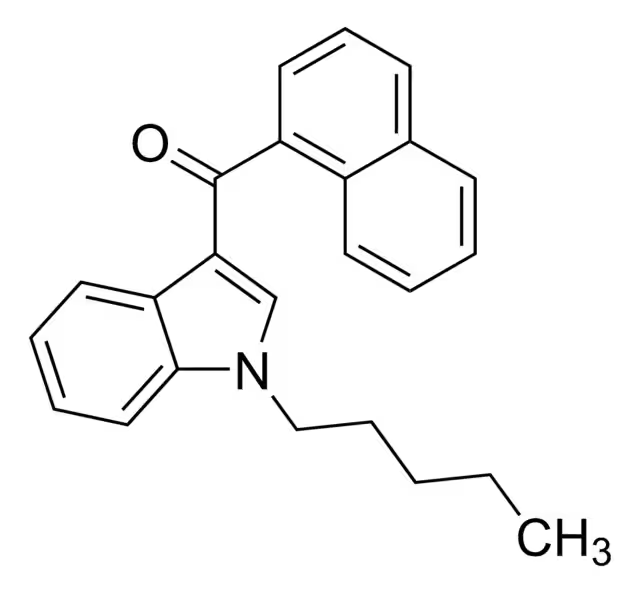
Figure 1: The chemical structure of JWH-018 (a first-generation synthetic cannabinoid) versus natural Δ9-THC — the molecular difference explains why standard THC tests detect one but entirely miss the other. (Image: Wikimedia Commons)
The standard workplace or clinical urine drug screen uses an immunoassay — a biochemical technique that employs antibodies designed to bind to a specific target molecule. For cannabis screening, the target is THC-COOH (11-nor-9-carboxy-Δ9-tetrahydrocannabinol), the primary urinary metabolite produced when the human body processes natural Δ9-THC from the cannabis plant. [Moeller, Lee & Kissack, 2008, Mayo Clinic Proceedings]
These panels are cheap (often under $5 per test), fast (results in minutes), and highly reliable — for natural cannabis. They represent decades of calibration optimised for one molecule and its metabolites. The problem is equally precise: the differences between natural THC testing and synthetic cannabinoid metabolism mean the antibody has nothing to bind to when synthetic compounds are present. How a THC immunoassay panel detects natural THC but misses synthetic cannabinoids Flow diagram: Natural THC enters the body, metabolizes to THC-COOH in the liver, is excreted in urine, and binds to antibodies on a urine drug strip, triggering a positive result. Synthetic cannabinoids take a parallel path but produce entirely different metabolites that do not bind to the THC antibody, producing a false negative. Natural THC pathway Synthetic cannabinoid pathway Use of natural cannabis (Δ9-THC absorbed) Liver metabolism Produces THC-COOH Urine excretion THC-COOH present POSITIVE result ✓ Antibody binds THC-COOH Use of synthetic cannabinoid (K2 / Spice absorbed) Liver metabolism Novel SC metabolites formed Urine excretion SC metabolites — not THC-COOH FALSE NEGATIVE ✗ Antibody has nothing to bind
Figure 2: Why the differences between natural THC testing and synthetic cannabinoid detection matter — the same standard immunoassay panel produces accurate results for natural THC but misses synthetic cannabinoids entirely due to incompatible metabolite chemistry.
The differences between natural THC testing and synthetic cannabinoid detection begin at the molecular level. Δ9-THC is a well-defined tricyclic structure with a predictable hepatic metabolism and a known urinary metabolite (THC-COOH) that persists for days to weeks depending on usage frequency. Immunoassay manufacturers have spent decades perfecting antibodies that reliably bind THC-COOH at the standard 50 ng/mL cutoff.
Synthetic cannabinoids, by contrast, encompass dozens of entirely different chemical scaffolds — naphthoylindoles, benzoylindoles, phenylacetylindoles, cyclohexylphenols, and more. [Wiley et al., 2011, British Journal of Pharmacology] When metabolised, each family produces its own unique set of hydroxylated, carboxylated, and glucuronidated breakdown products. Not one of these metabolites resembles THC-COOH enough to trigger an immunoassay antibody calibrated for cannabis. The result: false negatives across the board on standard panels.
Even when toxicologists develop a specific immunoassay for a known synthetic cannabinoid metabolite, manufacturers respond by slightly altering the chemical structure to create a new compound that the updated test doesn’t yet recognise. This “analogue evasion” strategy is one of the defining features of the synthetic cannabinoid market and a key reason why the differences between natural THC testing and synthetic cannabinoid detection capabilities are not merely technical but structurally embedded in the economics of designer drug production. [Angerer et al., 2018, Drug Testing and Analysis]
The UNODC World Drug Report (2023) documented approximately 150 newly identified synthetic cannabinoid variants per year. In practical terms, this means that by the time a testing laboratory has validated and deployed an assay for a given compound, multiple successor variants are already circulating on the market — each invisible to standard screening. [UNODC World Drug Report, 2023]
⚠ Safety alert: Because the differences between natural THC testing and synthetic cannabinoid use are invisible on standard panels, a person presenting in an emergency department after synthetic cannabinoid intoxication may be triaged inaccurately if clinical staff rely on urine drug screen results. Clinicians should maintain a high index of suspicion for synthetic cannabinoid toxidrome (severe agitation, tachycardia, psychosis, seizure) regardless of negative immunoassay results.
The following table summarises the most clinically and forensically significant differences between natural THC testing and synthetic cannabinoid screening. Understanding these distinctions is essential for anyone interpreting drug test results in medical, occupational, or forensic contexts.
| Characteristic | Natural THC (Cannabis) | Synthetic Cannabinoids (K2/Spice) |
|---|---|---|
| Primary metabolite tested | THC-COOH | Compound-specific (varies by molecule) |
| Detected by standard 5-panel urine screen | Yes ✓ | No ✗ |
| Detected by standard 10-panel urine screen | Yes ✓ | No ✗ |
| Immunoassay antibody available | Yes (well-established) | Limited (compound-specific only) |
| Confirmatory method required | GC-MS or LC-MS/MS | LC-MS/MS (essential) |
| Detection window in urine (standard use) | 3–30 days | 24–72 hours (LC-MS/MS required) |
| Regulatory scheduling of target compound | Stable (THC) | Rapidly changing (analogue evasion) |
| Test cost (screening) | Low (~$5–$15) | High ($50–$200+ for expanded panels) |
| Used in standard workplace drug testing (US DOT) | Yes | Not routinely |
| Forensic death investigation reliability | High | Low without targeted LC-MS/MS |
LC-MS/MS is widely regarded as the gold standard for confirming the presence of synthetic cannabinoid metabolites. Unlike immunoassays — which rely on antibody affinity — LC-MS/MS separates compounds by their physical properties and identifies them by molecular mass with extremely high specificity. [Kneisel & Auwärter, 2012, Analytical and Bioanalytical Chemistry] The technology can detect sub-nanogram-per-millilitre concentrations of target metabolites, and can be programmed to screen for dozens of known synthetic cannabinoid metabolites simultaneously.
The substantial differences between natural THC testing and synthetic cannabinoid detection requirements mean that specialised forensic and toxicology laboratories must maintain continuously updated compound libraries. Each new synthetic cannabinoid variant requires researchers to identify its human metabolites, synthesize reference standards, validate a new method, and update the library — a process that typically takes months and costs thousands of dollars per compound. [Hutter et al., 2017, Drug Testing and Analysis]
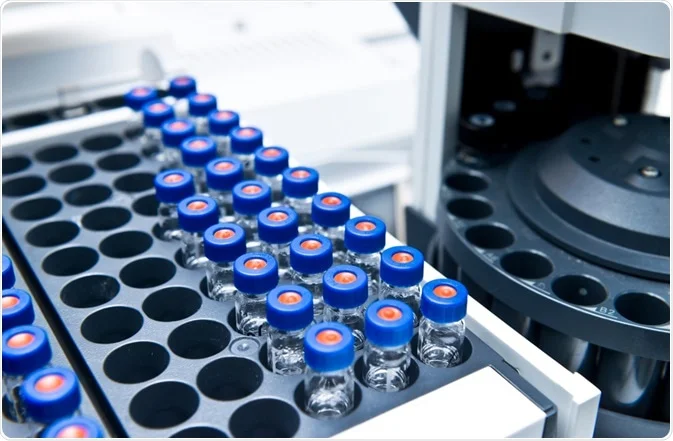

Figure 3: An LC-MS/MS instrument of the type used in forensic toxicology labs for synthetic cannabinoid metabolite identification. The differences between natural THC testing and synthetic cannabinoid detection are stark — this level of instrumentation is simply not available in routine workplace screening. (Image: Wikimedia Commons)
Emerging HRMS platforms (Q-TOF and Orbitrap instruments) enable retrospective screening — the ability to re-analyse stored samples for compounds that weren’t known at the time of collection. This is particularly valuable for forensic investigations of death or serious injury, where the causative synthetic cannabinoid compound may not have been identified until after initial samples were collected. [Caspar et al., 2020, Journal of Analytical Toxicology]
Hair analysis offers a longer detection window (weeks to months) for some synthetic cannabinoid compounds and their metabolites, and may be useful in chronic exposure investigations. Oral fluid testing using lateral flow immunoassay strips has been developed for some specific compounds (notably JWH-018 and AB-PINACA metabolites) but still misses the majority of the market. [Strano-Rossi et al., 2014, Analytical and Bioanalytical Chemistry]
In safety-sensitive industries — aviation, transport, heavy machinery, healthcare, military — drug testing programs are designed to reduce impairment risk. Because the differences between natural THC testing and synthetic cannabinoid use are invisible on standard panels, an employee using K2 or Spice regularly could pass every routine drug screen while remaining significantly impaired at work. Synthetic cannabinoids have been linked to cognitive impairment, psychosis, extreme agitation, and loss of consciousness — all of which pose severe occupational safety risks. [Palamar et al., 2016, Drug and Alcohol Dependence]
Workplace guidance: The US Department of Transportation (DOT) mandates testing for marijuana, cocaine, opioids, amphetamines, and PCP — but not synthetic cannabinoids. Employers in safety-sensitive sectors who wish to screen for synthetic cannabinoids must add supplementary panels through their Medical Review Officer and testing laboratory, outside the standard DOT program.
Many employer drug-free workplace policies were drafted to prohibit “marijuana” or “cannabis” use and may not explicitly mention synthetic cannabinoids. Legal counsel and HR professionals should review policies to confirm that synthetic cannabinoids are enumerated by name or category, since employees who test negative for THC after using synthetic cannabinoids may legally challenge disciplinary action if the policy wording is ambiguous. This is another practical dimension of the differences between natural THC testing and synthetic cannabinoid landscape that affects real organisations today.
Because standard toxicological panels used in medicolegal death investigations routinely miss synthetic cannabinoids, public health and mortality statistics systematically under-count synthetic cannabinoid-related deaths. A coroner relying on a standard drug screen reporting “negative for cannabinoids” may incorrectly attribute a synthetic cannabinoid-related cardiac arrest to another cause. [Trecki et al., 2015, New England Journal of Medicine],differences between natural THC testing and synthetic cannabinoid
The CDC’s drug overdose surveillance systems have attempted to address this gap, but acknowledge that reported numbers are likely substantial undercounts given the detection limitations. Understanding the full extent of the differences between natural THC testing and synthetic cannabinoid impact on official statistics is an active area of public health research. Detection rates: standard panels vs advanced methods for synthetic cannabinoids Bar chart comparing detection rates: standard 5-panel (~0%), standard 10-panel (~0%), targeted immunoassay (~40%), GC-MS (~55%), LC-MS/MS (~85%), HRMS retrospective (~95%). 0% 25% 50% 75% 100% 5-panel ~0% 10-panel ~0% Targeted IA ~40% GC-MS ~55% LC-MS/MS ~85% HRMS ~95% Approximate synthetic cannabinoid detection coverage by test type
Figure 4: Estimated detection coverage for synthetic cannabinoids across different testing methodologies. Standard immunoassay panels (5-panel, 10-panel) provide virtually zero coverage, while targeted LC-MS/MS and HRMS approaches achieve significantly higher detection rates — illustrating why the differences between natural THC testing and synthetic cannabinoid detection require specialist intervention. (Estimates based on published literature; actual figures vary by compound family.)
Emergency physicians and toxicologists are trained to recognise the “synthetic cannabinoid toxidrome” — a clinical presentation that can include severe agitation, psychosis, tachycardia, hyperthermia, seizures, and acute kidney injury — which is distinctly different from natural cannabis intoxication. [Monte et al., 2017, New England Journal of Medicine] Crucially, clinical teams must be trained to recognise that the differences between natural THC testing and synthetic cannabinoid use mean a negative urine drug screen absolutely does not rule out synthetic cannabinoid toxicity.Places like https://k2spiceexpress.com/ will give you more
Drug scheduling in most jurisdictions operates reactively — a compound must be identified, studied, and formally scheduled before enforcement or testing obligations apply. Because the differences between natural THC testing and synthetic cannabinoid chemistry include a near-infinite capacity for structural variation, scheduling one variant simply shifts consumption to an unscheduled analogue. Several jurisdictions have attempted analogue legislation (the US Federal Analogue Act, the UK Psychoactive Substances Act 2016) as a broader tool, though enforcement remains inconsistent.
Public health experts and toxicologists have proposed a shift toward mechanism-based scheduling — prohibiting any compound that activates cannabinoid receptors above a defined threshold, regardless of molecular structure. This would eliminate the chemical evasion loop that makes the differences between natural THC testing and synthetic cannabinoid detection so persistent. [Hill & Weiss, 2014, Trends in Pharmacological Sciences]
Organisations seeking to implement synthetic cannabinoid testing should work with accredited toxicology reference laboratories. In the United States, the Substance Abuse and Mental Health Services Administration (SAMHSA) and the CDC publish guidance on emerging drug trends. Internationally, the EMCDDA and UNODC maintain early-warning systems for new psychoactive substances.
For a deeper scientific background on cannabinoid receptor pharmacology — the basis for understanding why the differences between natural THC testing and synthetic cannabinoid receptor interactions matter — the Wikipedia article on cannabinoids provides a well-sourced overview of the endocannabinoid system and receptor pharmacology.
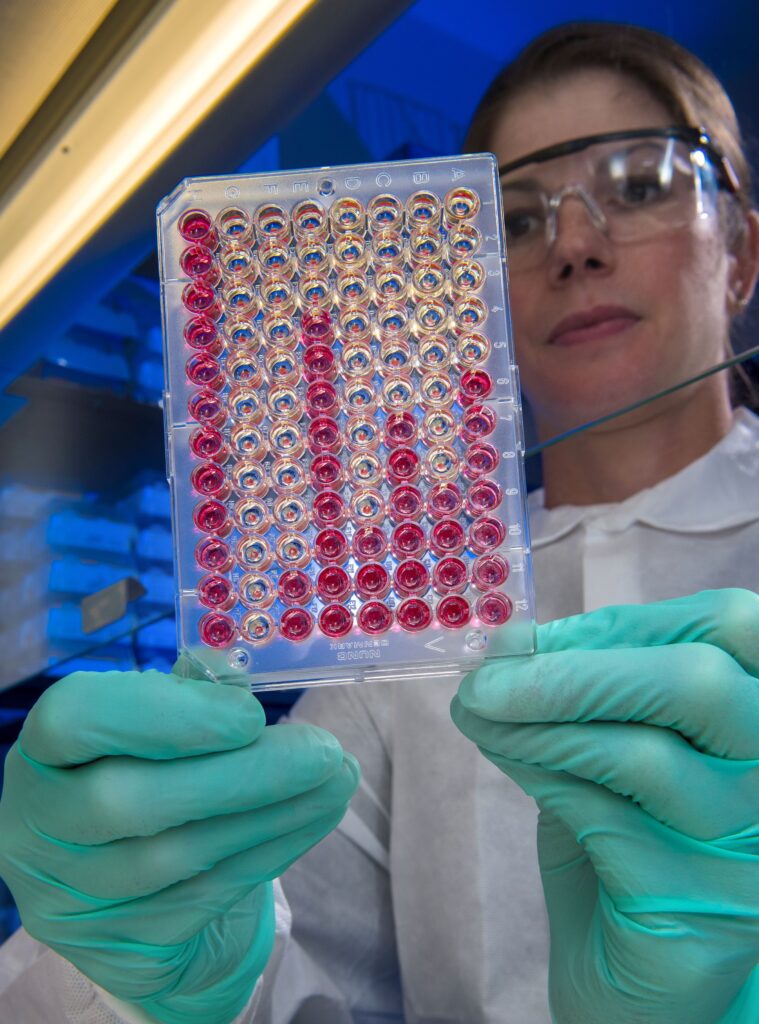
Figure 5: Standard urine immunoassay drug screen test strips — the most widely used workplace and clinical drug testing format. These panels reliably detect THC-COOH from natural cannabis but are blind to synthetic cannabinoid metabolites, illustrating the fundamental differences between natural THC testing and synthetic cannabinoid detection. (Image: Wikimedia Commons)
These questions reflect the most common searches related to the differences between natural THC testing and synthetic cannabinoid detection, compiled from public health resources and clinical literature. Why do standard drug tests fail to detect synthetic cannabinoids?
Standard urine immunoassay drug panels are calibrated to detect THC-COOH — the primary metabolite of natural cannabis. Because the differences between natural THC testing and synthetic cannabinoid chemistry are so profound (different molecular structures, different metabolic pathways, different breakdown products), the antibody probes in these panels cannot bind to synthetic cannabinoid metabolites. The result is a false negative even after significant synthetic cannabinoid use. A person heavily impaired by K2 or Spice can pass a standard drug screen with no indication of any substance use. Can you test positive for cannabis on a drug test after using synthetic cannabinoids?
No. Synthetic cannabinoids do not contain or metabolise into THC-COOH — the compound standard cannabis drug panels test for. A person who has used K2, Spice, or any similar product would test negative on a standard cannabis immunoassay screen. This is one of the most dangerous aspects of the differences between natural THC testing and synthetic cannabinoid use — users, employers, and clinicians can all be misled by a “clean” result. What tests can actually detect synthetic cannabinoids?
Liquid chromatography–mass spectrometry (LC-MS/MS) and gas chromatography–mass spectrometry (GC-MS) are the gold-standard confirmatory methods that can identify specific synthetic cannabinoid metabolites. High-resolution mass spectrometry (HRMS) platforms also allow retrospective analysis of stored samples. However, these tests must be programmed with the exact metabolite signatures for each compound — meaning constant updating is essential as new variants emerge. Targeted immunoassay strips have been developed for a limited number of specific compounds but cover only a small fraction of the market. How long do synthetic cannabinoids stay detectable in urine?
Detection windows depend heavily on the specific compound and the testing method used. With specialised LC-MS/MS testing, some synthetic cannabinoid metabolites are detectable in urine for 24–72 hours after use. A few highly lipophilic variants may persist somewhat longer. Unlike natural THC (which standard panels can detect for weeks in heavy users), synthetic variants are often eliminated faster — yet still cause severe acute toxicity long before clearance. This combination of short detection window and high acute toxicity makes the differences between natural THC testing and synthetic cannabinoid detection especially consequential. Are synthetic cannabinoids legal?
The legal status of synthetic cannabinoids is complex and constantly evolving. Many specific compounds have been scheduled as controlled substances in the US (under the Controlled Substances Act and Emergency Scheduling authority), the UK (Psychoactive Substances Act 2016 bans all psychoactive substances not specifically exempted), the EU, and other jurisdictions. However, manufacturers routinely alter the molecular structure slightly to produce a structurally novel compound that temporarily evades existing scheduling — a key reason these substances remain dangerous and why drug testing continually lags behind the market. What does ‘K2’ or ‘Spice’ actually contain?
K2 and Spice are generic street names for products typically consisting of plant material (dried herbs, paper) sprayed with one or more synthetic cannabinoid compounds dissolved in acetone or another solvent. The exact chemical content varies enormously between batches, brands, and regions — there is no regulatory oversight of ingredients. This is why toxicity, potency, and detection profiles are so unpredictable, and why the differences between natural THC testing and synthetic cannabinoid screening matter so greatly to public safety. What should employers do to catch synthetic cannabinoid use?
Employers should work with occupational health physicians and accredited toxicology laboratories to add expanded panels specifically targeting synthetic cannabinoid metabolites. These specialised panels — typically requiring LC-MS/MS confirmation — are more expensive than standard screens but significantly more reliable. Workplace drug-free policies should also be reviewed and updated to explicitly list synthetic cannabinoids (or any compound acting on cannabinoid receptors) as prohibited substances, since many legacy policies reference only “marijuana” or “THC” and may be legally ambiguous in the context of synthetic cannabinoid use. How do the differences between natural THC testing and synthetic cannabinoid detection affect forensic investigations?
In forensic settings, standard toxicology panels routinely miss synthetic cannabinoid intoxication as a contributing factor in accidents, deaths, and criminal cases. This creates significant under-reporting in mortality and morbidity statistics. A coroner relying on a standard panel reporting “negative for cannabinoids” may incorrectly attribute a synthetic cannabinoid-related death to another cause. Forensic labs now increasingly run expanded immunoassay screening followed by LC-MS/MS confirmation, but resource constraints mean many jurisdictions still rely on standard panels that miss these compounds entirely.
Learn about availability, product details, ordering options, and important purchasing considerations.Explore product information, usage details, and online ordering resources.Also Discover product features, availability, and essential buying information.