
Beautiful Plants For Your Interior
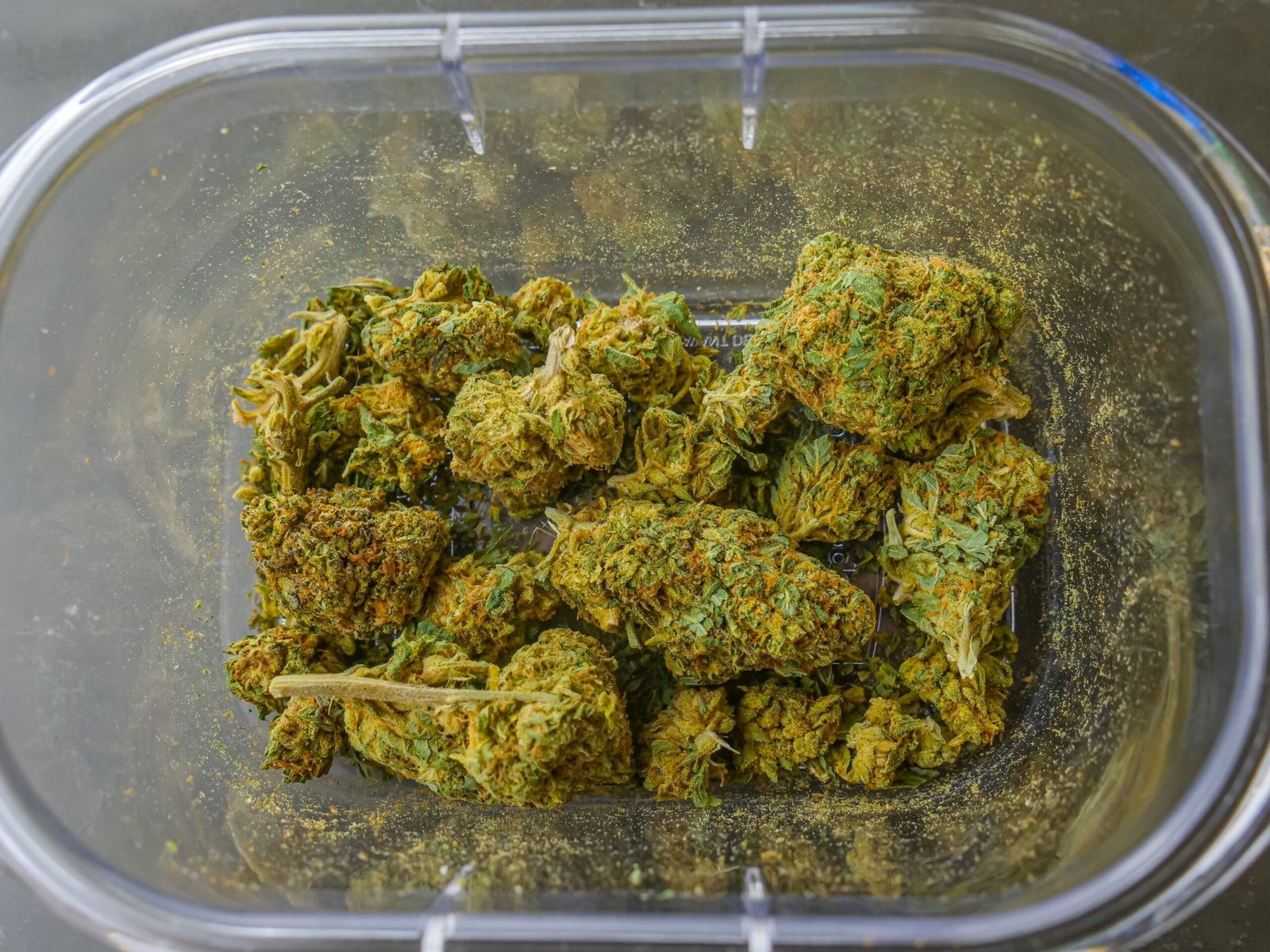
If you’ve landed here searching for which synthetic cannabinoid is the most potent, the short answer is this: laboratory studies point to HU-210 as the strongest synthetic cannabinoid ever characterized, binding to the CB1 receptor up to 800 times more strongly than natural THC. On the illicit drug market, however, the compounds most frequently linked to overdoses and deaths belong to the MDMB and ADB “indazole-carboxamide” family — including MDMB-CHMICA, MDMB-4en-PINACA, and 5F-MDMB-PICA — because they combine extreme potency with unpredictable dosing.
This guide breaks down exactly how potency is measured, how scientists rank the strongest compounds, why potency drives overdose risk, and what the real-world effects and dangers look like — so you or someone you care about can recognize the warning signs.
Related Reading: Synthetic Cannabinoids
For more information about synthetic cannabinoids, their effects, and why some people use them as a way of coping with stress or seeking temporary escape, see our previously published article: Why People Use Synthetic Cannabinoids in Europe for Stress Relief and Escape. It provides additional background and information related to this topic.
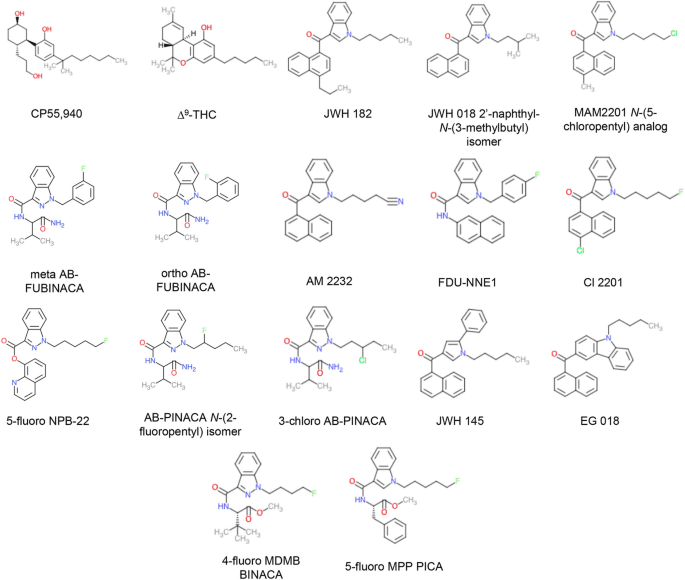
When researchers ask which synthetic cannabinoid is the most potent, they aren’t guessing — they’re measuring how tightly a compound binds to the body’s CB1 cannabinoid receptor, expressed as a Ki (binding affinity) value in nanomoles. The lower the Ki number, the stronger — and more potent — the compound.
Based on published pharmacology data:
So while HU-210 wins on raw laboratory potency, the compounds most responsible for real-world emergencies are the newer MDMB/ADB-class agents — because they’re the ones actually circulating in unregulated products.
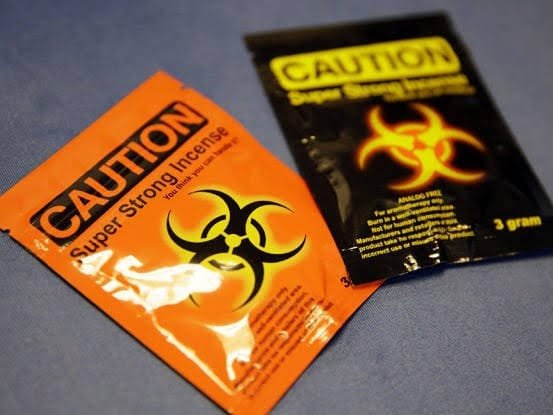
Potency isn’t just a trivia question. It’s a matter of public health. Synthetic cannabinoids — sometimes called “Spice,” “K2,” or “herbal incense” — are sold as loose herbal blends or vape liquids sprayed with lab-made chemicals. Because these products are manufactured in unregulated settings, the concentration of active compound can vary wildly from batch to batch, and even from one section of a sprayed product to another.For more information about synthetic cannabinoids, see our previous article on the topic, which provides additional insights and a broader discussion.” Previous article on synthetic cannabinoids
Understanding which synthetic cannabinoid is the most potent helps explain why synthetic cannabinoid poisonings so often involve unpredictable, severe reactions — even in people who consider themselves experienced cannabis users. A product that “felt fine” last time can contain a hot spot of a much more potent compound the next time.
Potency is measured in a lab, not on the street. Researchers use a CB1 receptor binding assay to see how strongly a compound attaches to the same receptor that natural THC activates. Compounds like HU-210 and WIN 55,212-2 bind far more tightly than THC, which is part of why answering which synthetic cannabinoid is the most potent starts with pharmacology, not anecdote.
Natural THC is only a partial agonist at the CB1 receptor — meaning it can only activate the receptor so much, capping its own effects. Most synthetic cannabinoids, by contrast, are full agonists. They can drive the receptor to its maximum activation level, producing effects far more intense — and far more dangerous — than cannabis. This full-agonist property is a major reason the answer to which synthetic cannabinoid is the most potent almost always points to lab-made compounds rather than THC itself.
Small chemical tweaks — adding a fluorine atom, lengthening a side chain, or swapping an indole for an indazole core — can multiply a compound’s potency several-fold. This is why new, even more potent synthetic cannabinoids keep appearing on the market faster than regulators can ban them.
The table below summarizes how leading synthetic cannabinoids compare, based on published receptor-binding and drug-monitoring data.
| Compound | Relative Potency vs. THC | Classification | Notable Risk Data |
|---|---|---|---|
| HU-210 | ~100–800x | Classic full CB1 agonist | Rarely sold recreationally due to extreme potency |
| MDMB-CHMICA | Very high (full agonist) | Indazole carboxamide | Linked to dozens of deaths per EMCDDA review |
| MDMB-4en-PINACA | Very high (full agonist) | Indazole carboxamide | Common in recent seizure/overdose reports |
| 5F-MDMB-PICA | High (full agonist) | Indole carboxamide | Widely detected in emergency toxicology |
| AB-CHMINACA | High (full agonist) | Indazole carboxamide | Associated with mass-casualty poisoning events |
| JWH-018 | ~4–8x | Naphthoylindole | First-generation “Spice” compound |
Ask toxicologists which synthetic cannabinoid is the most potent in terms of actual overdose risk today, and many will point to MDMB-4en-PINACA and its close chemical relatives. These compounds are active at extremely small doses, are frequently sprayed unevenly onto plant material, and have driven mass-poisoning events where dozens of people were hospitalized from the same batch of product.

Because full-agonist compounds hit the CB1 receptor so much harder than natural THC, their effects go well beyond typical cannabis intoxication:
Answering which synthetic cannabinoid is the most potent also helps explain why these effects hit so much harder and faster than plant cannabis: full CB1 agonism at a receptor that regulates mood, heart rate, temperature, and motor control produces a far less predictable physiological response.
If someone has used a synthetic cannabinoid product and shows any of the following, treat it as a medical emergency and call your local emergency number right away:
Do not wait to see if symptoms pass on their own. Because potency varies so much between products, even a small amount of a highly potent synthetic cannabinoid batch can cause a life-threatening reaction. Stay with the person, keep them safe from injury, and give emergency responders the product packaging if it’s available — this helps clinicians identify which synthetic cannabinoid is the most potent factor in that specific case and treat accordingly.
Not necessarily. Danger depends on more than raw receptor affinity. A compound’s real-world risk is shaped by:
So while identifying the most potent compound in a lab setting is useful science, real-world harm depends just as much on manufacturing quality control (which barely exists in this unregulated market) as it does on raw pharmacological strength.
Yes — this is well established in the clinical and toxicology literature. Unlike THC, which is a partial CB1 agonist with a well-studied safety profile, most synthetic cannabinoids are full agonists with much higher receptor affinity and far less predictable dosing. This combination is precisely why answering which synthetic cannabinoid is the most potent matters clinically: emergency departments see far more severe cardiovascular, neurological, and psychiatric complications from synthetic cannabinoid use than from cannabis use. You can read more about the chemistry and classification of these compounds on Wikipedia’s overview of synthetic cannabinoids.
For a deeper look at how these products are formulated, monitored, and regulated, see our related guide on synthetic cannabinoid classification and legal status.
Based on CB1 receptor binding studies, HU-210 is the most potent synthetic cannabinoid ever characterized in a lab, with affinity up to roughly 800 times that of THC. In real-world drug markets, the MDMB and ADB “indazole/indole carboxamide” compounds — such as MDMB-CHMICA and MDMB-4en-PINACA — are the potent full agonists most often linked to overdoses and deaths.
Because potency directly affects overdose risk. A more potent, full-agonist compound produces stronger effects at a smaller dose, and since these products are unregulated, users have no reliable way to know how much active compound they’re actually consuming.
Most synthetic cannabinoids act as full agonists at the CB1 receptor, while THC is only a partial agonist. Full agonism allows for much stronger, less predictable effects on heart rate, blood pressure, mood, and consciousness.
Yes. Overdose is well documented and can include seizures, loss of consciousness, dangerously high heart rate, acute kidney injury, and death — particularly with high-potency compounds like those in the MDMB/ADB family.
You generally can’t, and that’s the core danger. Packaging rarely lists accurate ingredients or concentrations, and potency can vary within the same package. This unpredictability is exactly why understanding which synthetic cannabinoid is the most potent — and why potency varies so much — is essential safety knowledge, not just trivia.
Regulations vary by country and even by specific chemical structure. Many of the most potent compounds, including MDMB-CHMICA and related analogs, have been banned in the EU, US, and elsewhere, but manufacturers frequently release new, chemically tweaked versions to stay ahead of legislation.For more information about synthetic cannabinoids, including their risks, effects, and safer alternatives, see our previous article: “Why Stressed Users Choose Synthetic Cannabinoids: Risks and Alternatives.” Read the previous article on Synthetic Cannabinoids
If you take one thing away from this guide, let it be this: which synthetic cannabinoid is the most potent isn’t a fixed answer — it’s a moving target. HU-210 holds the lab record, but the MDMB and ADB-class compounds circulating today are responsible for the overwhelming majority of real-world poisonings and deaths, precisely because extreme potency and unregulated manufacturing are such a dangerous combination. If you or someone you know is using these products, understanding this risk — and knowing the warning signs of an emergency — can genuinely save a life.
Have you or someone you know had an experience with synthetic cannabinoid products? Share your story or questions in the comments below to help build a more informed community — but please avoid naming specific sellers, dosages, or sourcing details.
Sources & further reading: European Union Drugs Agency (EUDA/EMCDDA) technical reports on synthetic cannabinoids; peer-reviewed pharmacology studies on CB1 receptor binding affinity; Wikipedia: Synthetic cannabinoids; our related article on synthetic cannabinoid classification and legal status.


[…] look at how synthetic drugs affect the brain and body long-term, see our related guide on the effects of synthetic drug use on mental health and our substance use treatment resources […]