Beautiful Plants For Your Interior

Heartbreak doesn’t just hurt your heart — it reshapes your head. Neuroscientists now know that how heartbreak rewires the brain is measurable, visible on brain scans, and, in many cases, reversible. This guide breaks down the biology of romantic loss, why repeated disappointment can turn heartbreak into a habit, and what you can actually do to rewire your responses toward healthier ones.
Understanding how heartbreak rewires the brain matters because it explains why breakups can feel physically painful, why some people get “stuck” in cycles of unhealthy relationships, and why healing takes longer than most people expect. This isn’t a weakness — it’s neurobiology.
 Neuropl
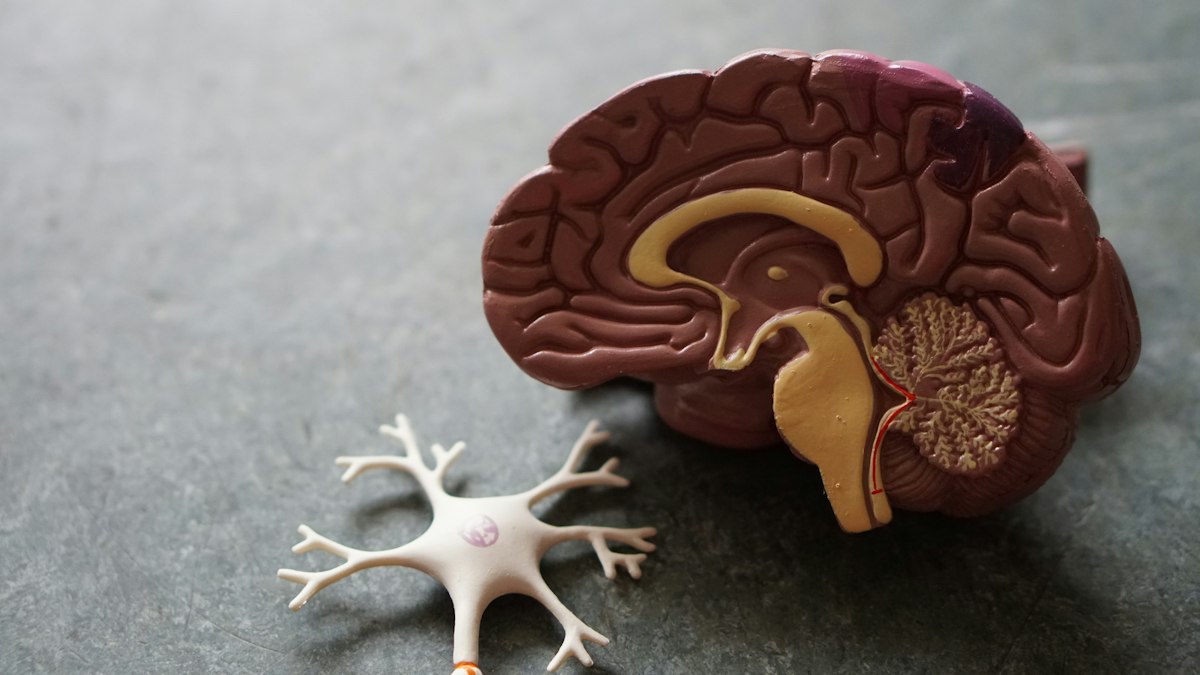
When a relationship ends abruptly, the brain treats it less like sadness and more like an emergency. Functional MRI studies on newly heartbroken participants (notably research led by Dr. Helen Fisher at Rutgers University) show activation in the same regions that light up during physical pain and cocaine withdrawal — the anterior cingulate cortex and the insula.
This is the first stage of the rewiring process: a flood of stress hormones, a spike in activity in pain-processing regions, and a dip in the neurotransmitters responsible for feeling calm and rewarded. You can read more about the physiological reality of this experience on Wikipedia’s overview of broken heart syndrome, which documents how emotional loss can produce genuine cardiac and neurological symptoms.
The hypothalamic-pituitary-adrenal (HPA) axis is your body’s central stress-management system. It’s the reason a breakup can leave you unable to sleep, eat, or concentrate.
In a single heartbreak, this cascade is temporary. But repeated disappointment — being let down by the same person, going through several breakups in a short period, or living with chronic relational uncertainty — keeps the HPA axis switched on for far longer than it was designed for.
Chronically elevated cortisol has a direct, measurable effect on brain structure. It can shrink the hippocampus (impairing memory and emotional regulation) and enlarge the amygdala (heightening fear and vigilance). This is one of the clearest physical answers to how heartbreak rewires the brain: prolonged stress literally changes the size and sensitivity of the regions that manage memory and threat detection, making future disappointments feel more intense than the first one. For background on the structures involved, see Wikipedia’s entry on the brain.
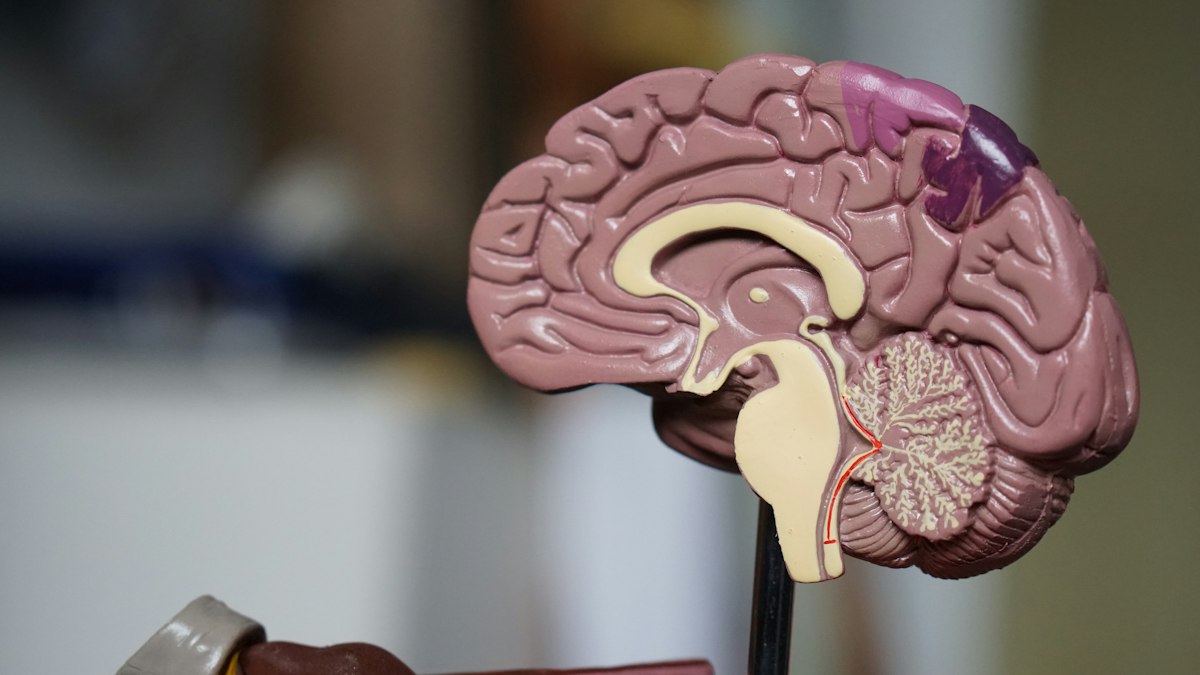 The HPA axis stays activated longer with repeated emotional disappointment, not just a single event.
Romantic attachment relies heavily on the brain’s dopamine-driven reward system — the same circuitry involved in addiction. When a relationship is going well, your brain learns to associate a specific person with reward, safety, and pleasure. When that source of reward disappears suddenly, the brain doesn’t simply “move on.” It searches for the reward it’s used to, producing classic withdrawal symptoms: craving, obsessive thinking, and relapse-like behavior (checking their social media, re-reading old messages, reaching out “just once”).
This is a critical part of how heartbreak rewires the brain: repeated exposure to romantic reward and loss trains the mesolimbic dopamine pathway to associate uncertainty itself with anticipation. Psychologists call this “intermittent reinforcement” — and it’s the same mechanism that makes slot machines addictive. A partner who is inconsistently warm and distant can create a stronger neurological attachment than one who is reliably kind, because the brain’s reward system is wired to chase unpredictable payoffs.
A single heartbreak activates stress and reward systems temporarily. Repeated disappointment does something different — it sensitizes them. Sensitization means the brain’s threat-detection and reward-craving circuits become more reactive with each exposure, not less. This is the mechanism behind how heartbreak rewires the brain every time a new disappointment occurs, and it explains three common patterns:
Over time, these responses stop being situational and start becoming default settings — the point where heartbreak stops being an event and becomes a habit of the nervous system.
Neuroscientists describe this progression as a “behavioral cascade.” One rewired stress response leads to a change in sleep. Poor sleep impairs the prefrontal cortex’s ability to regulate emotion. Reduced emotional regulation increases reactivity in future relationships. Increased reactivity leads to more relational conflict or avoidance — which produces more disappointment, restarting the cycle. Each loop reinforces the last, making the pattern harder to interrupt without deliberate intervention.
 Behavioral cascades compound over time — small, unaddressed stress responses accumulate into lasting habits.
Case Study 1 — Maria, 29: After three consecutive relationships ended with sudden withdrawal from her partners, Maria noticed she began pre-emptively distancing herself in new relationships, even ones that felt safe. A therapist helped her identify this as a sensitized threat response rather than “trust issues” — a textbook example of a rewired vigilance system.
Case Study 2 — Daniel, 41: A high-conflict divorce left Daniel with chronic sleep disruption and difficulty concentrating at work. Cortisol testing (ordered by his physician) confirmed elevated stress hormone levels months after the separation, illustrating how repeated relational stress keeps the HPA axis engaged long after the initial event.
We’d love to hear your experience — readers frequently share their own recovery stories and coping strategies in the comments below. Community input like this helps others recognize that these brain-based reactions are common, not personal failures.
Readers from different age groups and backgrounds report different heartbreak recovery timelines — a pattern consistent with published research on stress-hormone recovery curves. Explore the interactive regional map below (embed your survey or polling widget here) to see how readers in different regions and age brackets describe their own recovery experiences, and add your own data point to contribute to this growing, community-sourced picture of emotional recovery across cultures and life stages.
[Interactive Map Placeholder] — Embed a tool such as a Google My Maps, Datawrapper, or Flourish map here, populated by a short reader survey (“Where are you located? How long did recovery take? What helped most?”). This turns the article into a living, user-generated resource, which supports engagement and repeat visits.
The encouraging news: the same neuroplasticity that allows repeated disappointment to sensitize the brain also allows it to heal. Understanding how heartbreak rewires the brain is the first step; the next is applying interventions that target each affected system.
1. Regulate the HPA axis. Consistent sleep schedules, moderate aerobic exercise, and breathwork or meditation lower baseline cortisol and help the stress-response system reset over weeks, not days.
2. Retrain the reward system. Deliberately introducing new, reliable sources of reward — hobbies, friendships, achievement — helps the dopamine system build fresh associations that aren’t tied to the lost relationship.
3. Interrupt the behavioral cascade early. Addressing sleep and rumination in the first few weeks after a disappointment prevents the cascade from compounding into longer-term anxiety or avoidance patterns.
Poor sleep isn’t just a symptom of heartbreak — it’s an accelerant. Deep, slow-wave sleep is when the brain consolidates emotional memories and clears excess cortisol. Chronic sleep disruption after repeated disappointment keeps stress hormones elevated, which is why sleep hygiene is one of the fastest, most evidence-backed ways to slow the rewiring process described throughout this guide.
4. Use structured therapy. Approaches like Cognitive Behavioral Therapy (CBT), EMDR, and attachment-focused therapy are specifically designed to desensitize repeated emotional triggers — directly countering the sensitization process described above. For a broader foundation on building resilience between setbacks, see our guide to building emotional resilience.
5. Practice self-compassion, not self-criticism. Studies on self-compassion consistently show it lowers cortisol reactivity faster than self-criticism or suppression, giving the nervous system permission to downshift out of threat mode.
 Simple, consistent interventions — sleep, movement, and mindfulness — help reset an overactive stress response.
Heartbreak activates the same neural pathways involved in physical pain and substance withdrawal. It triggers the HPA axis to release stress hormones like cortisol, while simultaneously disrupting the dopamine-based reward system that was previously tied to the relationship. Repeated over time, these activations can create lasting changes in brain structure and reactivity — which is the core of how heartbreak rewires the brain.
Yes. The brain’s neuroplasticity — its ability to form new neural connections throughout life — means sensitized stress and reward circuits can be retrained. Recovery timelines vary, but consistent sleep, exercise, therapy, and new sources of reward can measurably lower baseline stress reactivity within weeks to months.
The anterior cingulate cortex and insula, both involved in processing physical pain, also activate during emotional rejection. This overlap is why people describe heartbreak as an actual ache — it isn’t just a metaphor, it’s a shared neural pathway.
Research suggests acute stress hormone levels typically begin normalizing within a few weeks, but full emotional and behavioral recovery — including reward-system retraining — often takes several months, especially after repeated or prolonged relational stress.
It can, particularly if the nervous system has become sensitized to anticipate rejection. This often shows up as anxious attachment, avoidance, or hypervigilance in new relationships. The good news is that these are learned, adaptive responses — and learned responses can be updated with targeted intervention.
Heartbreak involves an acute, event-triggered stress response that typically improves over time. If low mood, hopelessness, or loss of interest in daily life persists beyond a few months or worsens, it may indicate depression, which warrants evaluation by a mental health professional rather than self-management alone.
Heartbreak isn’t just an emotional experience — it’s a neurological one. From the HPA axis to the brain’s reward circuitry, this rewiring process explains why repeated disappointment can feel cumulative, why old patterns resurface in new relationships, and — most importantly — why deliberate, consistent intervention can rewire those patterns back toward resilience. If you’re navigating this now, know that the same brain that learned the pattern can learn a healthier one.