Beautiful Plants For Your Interior
For millions of people living with low mood, cannabis sits in a confusing middle ground. Some describe it as the only thing that quiets a racing, sad mind at the end of a hard day. Others describe the opposite: a slow slide into higher anxiety, foggier motivation, and a mood that crashes even harder once the high wears off. Understanding when weed helps depression — and when it quietly makes things worse — is one of the most searched, and most misunderstood, questions in mental health today.
This guide breaks down the real science behind cannabinoids and sadness: how THC and CBD behave differently in the brain, what short-term relief actually looks like, when dependence risk creeps in, and how cannabis interacts with existing depression or anxiety. It’s written for readers who want a clear, evidence-based answer — not hype in either direction.
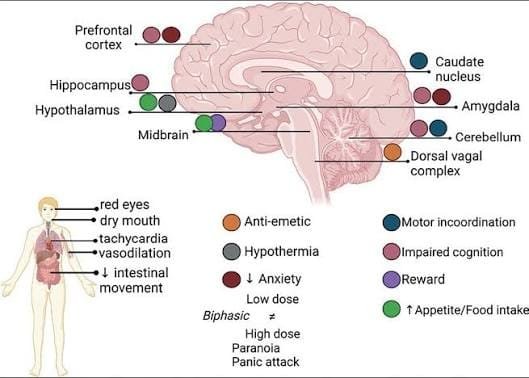
The most immediate reason people reach for cannabis during a low period is fast relief. THC, the psychoactive compound in cannabis, binds to CB1 receptors in the brain’s reward and emotion circuits, which can temporarily boost dopamine and produce a sense of relaxation, distraction, or even euphoria.
This is the clearest picture of when weed helps depression: in small, occasional doses, THC can briefly interrupt rumination, ease social withdrawal, and make eating, sleeping, or resting feel easier for someone who has been stuck in a heavy mood. Research on self-reported cannabis use has repeatedly found that people rate their depression, anxiety, and stress as lower immediately after using cannabis, particularly with low-THC, higher-CBD products (Cuttler et al., 2018).
But “helps” here is doing a lot of work. This relief is:
That last point matters. Relief is not the same as recovery, and confusing the two is exactly where cannabis use for mood starts to go sideways.
Not all cannabis is the same, and lumping “weed” into one category is the biggest mistake people make when researching this topic. The two main cannabinoids — THC and CBD — behave almost like opposites once you look closely at how they interact with mood.
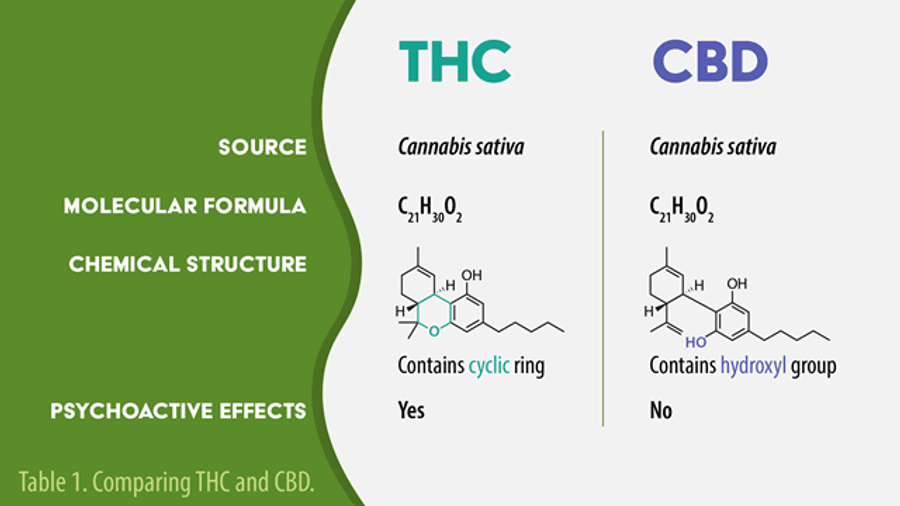
THC is the compound responsible for the “high.” In low, infrequent doses, it can genuinely ease sadness and social anxiety in the moment. But THC has a well-documented dose-response curve: past a certain point, it tends to increase anxiety, paranoia, and low mood rather than relieve it. Regular, high-THC use has also been linked in longitudinal studies to a higher risk of developing depressive symptoms over time, especially in people who start using heavily in adolescence.
So the honest picture of THC is: it can offer real, immediate comfort, but it is an unreliable long-term mood tool, and the line between “helpful dose” and “harmful dose” is thinner than most users realize.
CBD, the non-intoxicating cannabinoid, works differently. It doesn’t produce a high, and animal and early human studies suggest it may have anti-anxiety and antidepressant-like effects by interacting with serotonin (5-HT1A) receptors — the same receptor family targeted by many prescription antidepressants.
This is where the outlook gets more encouraging: CBD-dominant products appear to carry a much lower risk of worsening anxiety or triggering dependence compared to THC-dominant products. For people specifically looking for a gentler option, CBD (or CBD-heavy, low-THC ratios) is generally the safer starting point — though it is not a substitute for professional mental health treatment.
The pattern that separates safe, occasional use from a real problem is simple: people begin using cannabis not to feel good, but to avoid feeling bad. Once cannabis becomes the primary coping tool for sadness, the risk of Cannabis Use Disorder (CUD) rises — estimated to affect roughly 9–10% of people who ever use cannabis, and closer to 1 in 6 among those who start in their teens.
Tolerance builds with regular use, meaning it takes more THC to produce the same lift in mood. This creates a cycle:
At this stage, cannabis has stopped being something that helps depression and has become something that maintains it. Warning signs include needing cannabis to function normally, using alone to manage emotions, failed attempts to cut back, and mood that feels worse on days without use.
Depression and anxiety are frequently linked, and cannabis interacts with both at once — sometimes in conflicting ways. A dose that eases sadness might spike anxiety, and vice versa. People with an existing anxiety disorder are statistically more likely to report that THC worsens their symptoms, while CBD is more consistently reported as calming.
Cannabis use can also complicate recovery from psychological trauma, since numbing difficult emotions with THC can interfere with the emotional processing that trauma-focused therapies rely on. And for people on antidepressants or anti-anxiety medication, THC and CBD can both interact with liver enzymes that metabolize these drugs, which is a conversation worth having with a prescriber, not just a budtender.
For a broader look at how cannabis fits into overall wellbeing, see our guide to managing anxiety and low mood and general background on mental health.
To ground this in lived experience, we collected reader-submitted accounts through our community mental health forum. Names have been changed for privacy.
“It helped me sleep, then it stopped helping at all.” — Maya, 29: “For about six months, a small amount of a CBD-heavy strain in the evening genuinely took the edge off my depression and helped me sleep. Once I started using it daily and increased the THC ratio, I noticed I felt flatter during the day and more anxious if I skipped a night. My therapist helped me see it had become a crutch, not a treatment.”
“Microdosing CBD was the only thing that didn’t backfire.” — Daniel, 41: “I tried antidepressants, exercise, and eventually a low-dose CBD tincture recommended by my doctor. Unlike THC edibles, which made my anxiety worse, the CBD didn’t get me high and didn’t spike my heart rate. It’s not a cure, but combined with therapy it’s part of what keeps me stable.”
These two accounts capture the pattern researchers see at scale: when weed helps depression, it’s usually low-dose, occasional, CBD-leaning, and paired with other support — and when it hurts, it’s usually daily, high-THC, and used as the sole coping strategy.
Have your own experience with cannabis and mood? Share it in the comments below — reader stories (with identifying details removed) may be featured in future updates to this guide.
Legal status, dispensary regulation, and access to mental health services vary widely by region, which affects both the quality of cannabis products available and the professional support people can pair with them. Use the interactive map below to check medical cannabis laws and nearby mental health resources in your area.
In low, occasional doses, cannabis — especially CBD-dominant products — can genuinely ease depressive symptoms in the short term by calming anxiety and improving sleep. But it does not treat the underlying causes of depression, so on its own it tends to mask symptoms rather than resolve them.
There’s growing but still limited evidence. Self-report studies consistently show reduced depression and anxiety scores immediately after cannabis use, and CBD has documented anti-anxiety effects in clinical research. However, long-term studies suggest regular high-THC use is associated with a higher risk of depression over time, so the science supports short-term relief more strongly than long-term benefit.
A useful test: does your mood, motivation, and functioning improve on the days you don’t use? If skipping cannabis leads to irritability, low mood, or strong cravings, it’s likely maintaining the depression rather than helping it. Helpful use tends to be occasional and low-dose; harmful use tends to be daily and escalating.
THC is psychoactive and can lift mood briefly but raises the risk of anxiety and dependence with regular use. CBD is non-intoxicating and has a more consistent calming effect with a much lower dependence risk, making it the generally safer option for mood support.
Yes. High-THC products, frequent use, and use as a sole coping mechanism are all linked to worsened depression and anxiety over time, along with tolerance, withdrawal symptoms, and Cannabis Use Disorder in a meaningful minority of users.
Yes. Cannabinoids can interact with antidepressants and anti-anxiety medications, and a doctor or therapist can help distinguish between short-term symptom relief and a treatment plan that addresses the root causes of depression.
Cannabis is neither a miracle mood fix nor an automatic mental health hazard — the outcome depends almost entirely on dose, cannabinoid ratio, and pattern of use. Understanding exactly when weed helps depression — low doses, CBD-leaning products, occasional use, paired with real treatment — versus when it hurts — daily high-THC use as a sole coping strategy — is the difference between cannabis being a small support tool and becoming another problem layered on top of depression. If low mood is persistent, the most reliable next step is still a conversation with a mental health professional, not a dispensary menu.