
Beautiful Plants For Your Interior
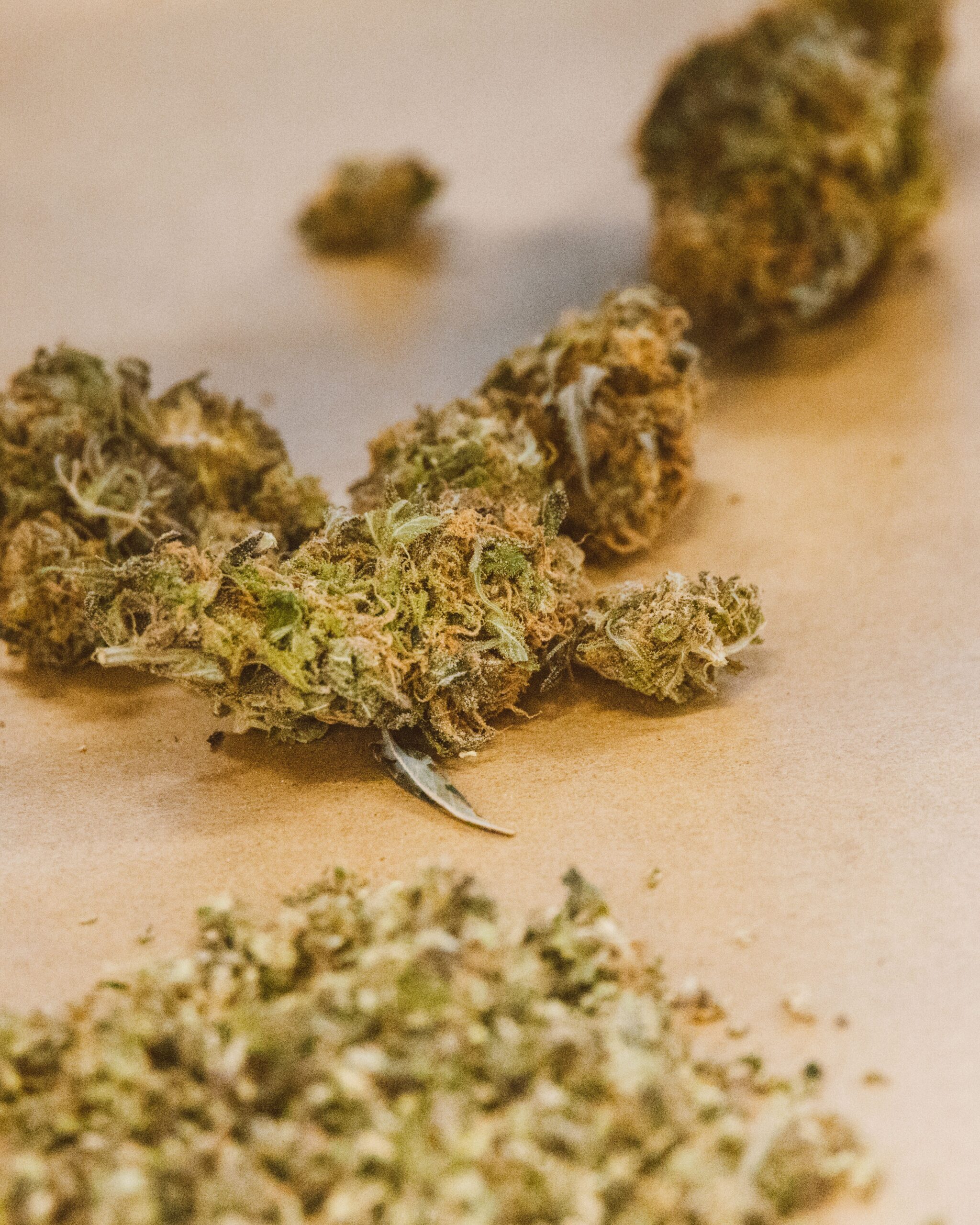
When people ask are synthetic cannabinoids more dangerous than natural cannabinoids, they’re usually trying to understand one thing: why do a few headlines describe synthetic products causing severe poisonings, hospitalizations, or deaths, while natural cannabis rarely produces anything close to that outcome? The short answer is potency and predictability — but the full picture involves receptor biology, chemistry, and how these substances are manufactured and sold.
This article breaks down the pharmacology behind that difference, what the research actually shows, and what it means for anyone trying to understand the real-world risks.
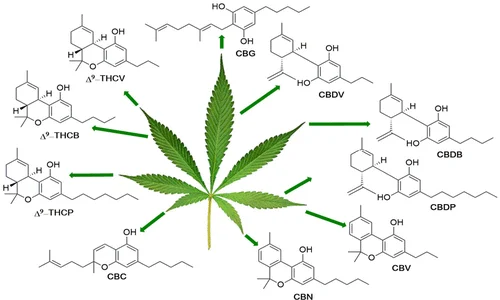
Natural cannabinoids are compounds produced by the cannabis plant itself — most notably THC (tetrahydrocannabinol) and CBD (cannabidiol). THC is the primary psychoactive component and works by binding to cannabinoid receptors (CB1 and CB2) found throughout the brain and body.
THC is what’s known as a partial agonist at the CB1 receptor. This means it activates the receptor, but not to its maximum possible extent — there’s a ceiling effect. Even at high doses, THC’s activation of CB1 plateaus, which is part of why fatal cannabis overdoses from THC alone are exceptionally rare in the medical literature.
Synthetic cannabinoids are lab-created chemical compounds designed to mimic THC’s effects by binding to the same CB1 and CB2 receptors. They were originally developed for pharmacological research — to study the endocannabinoid system — not for human consumption.
Street and online products containing these compounds are often sold under names like “Spice,” “K2,” or various branded blends, and sprayed onto plant material or sold as powders, liquids, or vapes. According to the Wikipedia overview of synthetic cannabinoids, these are a class of compounds with diverse chemical structures that have been linked to a growing range of adverse health effects.
 Synthetic cannabinoids are manufactured in labs and are structurally unrelated to the cannabis plant, despite producing similar effects.
This is the core of the question — are synthetic cannabinoids more dangerous than natural cannabinoids, and if so, why? The answer lies almost entirely in receptor pharmacology.
Unlike THC’s partial agonism, many synthetic cannabinoids act as full agonists at the CB1 receptor. A full agonist doesn’t have the same built-in ceiling — it can drive the receptor to near-maximal activation. Some synthetic compounds also bind to CB1 receptors with significantly higher affinity than THC, meaning they attach more readily and more strongly.
In practical terms: a dose of a synthetic cannabinoid that looks tiny — sometimes a fraction of a milligram — can produce an effect far beyond what an equivalent-looking amount of natural cannabis would. This is one of the primary pharmacological reasons are synthetic cannabinoids more dangerous than natural cannabinoids is answered “yes” by toxicologists and emergency physicians who treat these cases.
The potency gap between synthetic and natural cannabinoids isn’t just a number in a lab report — it directly affects what happens when someone uses these products in the real world.
are synthetic cannabinoids more dangerous than natural cannabinoids.Toxicology and pharmacology research consistently point to the same conclusion when comparing binding strength and receptor activity. Studies measuring receptor binding affinity (often expressed as Ki values, where a lower number indicates stronger binding) have found that several synthetic cannabinoid classes — including aminoalkylindoles and certain newer-generation compounds — bind to CB1 receptors considerably more tightly than THC does.
This stronger binding, combined with full agonist activity, is the pharmacological basis for why are synthetic cannabinoids more dangerous than natural cannabinoids isn’t just a perception — it’s measurable at the molecular level. Poison control centers and emergency departments have documented this difference clinically for over a decade, with synthetic cannabinoid exposures associated with disproportionately high rates of emergency visits relative to the small quantities typically consumed.
 Emergency departments have reported clusters of severe reactions linked to synthetic cannabinoid exposure, often from very small amounts of product.
Another reason are synthetic cannabinoids more dangerous than natural cannabinoids comes up so often in clinical and public health discussions is the manufacturing process itself.
are synthetic cannabinoids more dangerous than natural cannabinoids.Natural cannabis is a plant product — its cannabinoid content, while variable, falls within a known biological range. Synthetic cannabinoids are produced in unregulated or semi-regulated labs, often overseas, with no consistent quality control. Slight changes to a molecule’s chemical structure can dramatically change its potency, and because synthetic cannabinoid formulas are frequently altered to stay ahead of drug scheduling laws, today’s “Spice” may bear little chemical resemblance to last year’s version — and may be significantly stronger.
This means that even someone with prior experience using synthetic cannabinoid products has no reliable way to predict the strength of a new batch.
| Factor | Natural Cannabinoids (THC) | Synthetic Cannabinoids |
|---|---|---|
| Receptor activity | Partial agonist (effect plateaus) | Often full agonist (no plateau) |
| Receptor binding strength | Moderate | Often significantly higher |
| Dose consistency | Relatively predictable | Highly inconsistent, batch to batch |
| Regulatory oversight | Regulated in legal markets | Largely unregulated, formulas change rapidly |
| Reported severe reactions | Rare | Comparatively frequent |
Because severe reactions can occur from very small amounts, recognizing warning signs early matters. Reported effects associated with synthetic cannabinoid use include:are synthetic cannabinoids more dangerous than natural cannabinoids
If someone shows these symptoms after using a product believed to contain synthetic cannabinoids, this is a medical emergency. are synthetic cannabinoids more dangerous than natural cannabinoids,Calling emergency services (911 in the US, or your local emergency number) immediately is the appropriate response — don’t wait to see if symptoms pass.
Yes, based on current pharmacological research. Synthetic cannabinoids often act as full agonists at CB1 receptors with stronger binding affinity than THC, removing the natural “ceiling” effect that limits THC’s maximum impact. Combined with inconsistent manufacturing, this makes synthetic products substantially less predictable and higher-risk.
are synthetic cannabinoids more dangerous than natural cannabinoids,Because many synthetic compounds bind more tightly to cannabinoid receptors and activate them more fully than THC does, even a tiny dose can produce a disproportionately large physiological response. Uneven spraying during manufacturing also means small portions of a product can contain concentrated “hot spots.”
No. CBD is a natural cannabinoid found in the cannabis plant. It does not produce the same intoxicating effects as THC and has a different receptor interaction profile entirely from lab-made synthetic cannabinoids like those found in products marketed as “Spice” or “K2.”
Yes. Standard drug tests designed to detect THC metabolites often do not detect synthetic cannabinoids, since they are chemically distinct compounds. Specialized testing is usually required to identify synthetic cannabinoid use.
are synthetic cannabinoids more dangerous than natural cannabinoids.Treat it as a medical emergency. Call emergency services immediately, try to keep the person safe and calm, and if possible, save any packaging or product information to help medical responders identify what was taken.
are synthetic cannabinoids more dangerous than natural cannabinoids,Many specific synthetic cannabinoid compounds are controlled substances in most countries, but manufacturers frequently alter chemical structures slightly to create new compounds that fall outside existing legal definitions — a practice sometimes called “legal high” formulation. Legal status varies by compound and jurisdiction and changes frequently.
The question of are synthetic cannabinoids more dangerous than natural cannabinoids has a research-backed answer: yes, primarily because of differences in receptor binding strength, agonist activity, and the complete lack of dosing consistency in synthetic products. Understanding this difference isn’t about scaring people away from information — it’s about making sure anyone who encounters these substances, or cares for someone who might, understands why “a small amount” doesn’t mean “a small effect” when it comes to synthetic cannabinoids.
For a deeper technical overview of the chemistry and classification of these compounds, the Wikipedia entry on synthetic cannabinoids provides additional background on their development and structural categories.


[…] related information about K2 Spice and synthetic cannabinoids, see our previous article, “Are Synthetic Cannabinoids More Dangerous Than Natural Cannabinoids?” for additional details and […]